
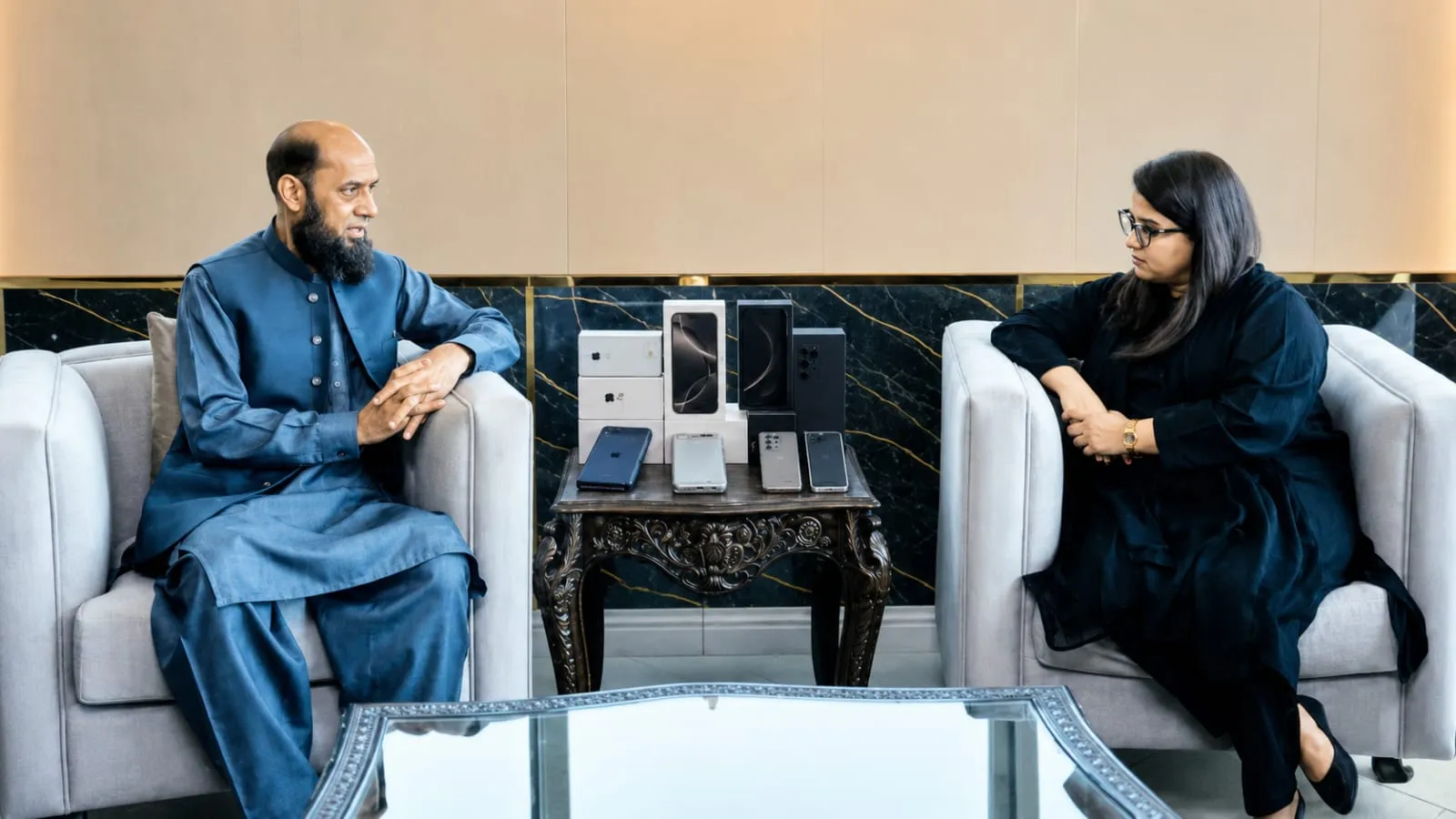
Pakistan Telecommunication Authority (PTA) Chairman Major General (R) Hafeez Ur Rehman has stated that the current tax burden on mobile phones in Pakistan is excessively high, saying that reducing taxes could make smartphones more affordable for consumers while supporting the country's digital transformation.
Speaking during discussions on Pakistan's telecom and mobile manufacturing sector, the PTA chief clarified that the authority does not impose taxes on mobile devices. Instead, PTA's responsibility is limited to regulating the telecom sector and operating the Device Identification, Registration and Blocking System (DIRBS), which ensures that legally imported and locally manufactured devices are registered for use on Pakistani mobile networks.
PTA Clarifies Its Role
According to the chairman, many people mistakenly believe PTA is responsible for the high taxes on smartphones. He emphasized that taxation policies are determined by the relevant government authorities, while PTA's role is focused on device registration, telecom regulation, and facilitating the growth of Pakistan's digital ecosystem.
The DIRBS system has been implemented to combat the use of illegal and smuggled mobile phones while encouraging compliance with national regulations.
Growth of Local Mobile Manufacturing
The PTA chairman highlighted significant progress in Pakistan's local mobile manufacturing industry over the past few years.
According to the reported figures:
- 37 local mobile phone manufacturers have received PTA licenses.
- Around 26 million mobile phones have been assembled in Pakistan.
- Only approximately 8% of mobile phones are imported, indicating increasing domestic production.
The expansion of local assembly has helped reduce reliance on imports while supporting industrial development, employment opportunities, and technology transfer.
Encouraging Global Smartphone Brands
Officials also suggested that Pakistan should attract leading international smartphone manufacturers to establish local assembly plants.
The chairman specifically mentioned Apple, encouraging the company to consider assembling devices in Pakistan, similar to existing operations by brands such as Samsung and Nokia.
Local manufacturing by global brands could potentially:
- Reduce production and logistics costs.
- Improve product availability.
- Generate skilled employment opportunities.
- Encourage investment in Pakistan's technology sector.
- Strengthen the country's electronics manufacturing ecosystem.
Why Smartphone Affordability Matters
Smartphones have become essential tools for education, digital banking, e-commerce, healthcare, government services, and remote work.
Industry experts often note that lowering the overall cost of smartphones can improve digital inclusion by enabling more people to access online services, particularly students, freelancers, entrepreneurs, and individuals living in underserved communities.
Greater smartphone adoption may also contribute to Pakistan's broader goals of expanding internet access and accelerating digital economic growth.
Looking Ahead
Pakistan has made considerable progress in developing its local mobile manufacturing industry, but stakeholders continue to debate whether the current tax structure strikes the right balance between government revenue and consumer affordability.
Calls for reviewing smartphone taxation reflect broader discussions about encouraging digital adoption, attracting foreign investment, and strengthening Pakistan's position as a regional technology manufacturing hub.
Whether any policy changes are introduced will depend on future decisions by the relevant government authorities.
Disclaimer: This article is for informational purposes only and is based on publicly available reports. Readers are advised to refer to official statements from the PTA and relevant government departments for the latest policy updates and taxation details.