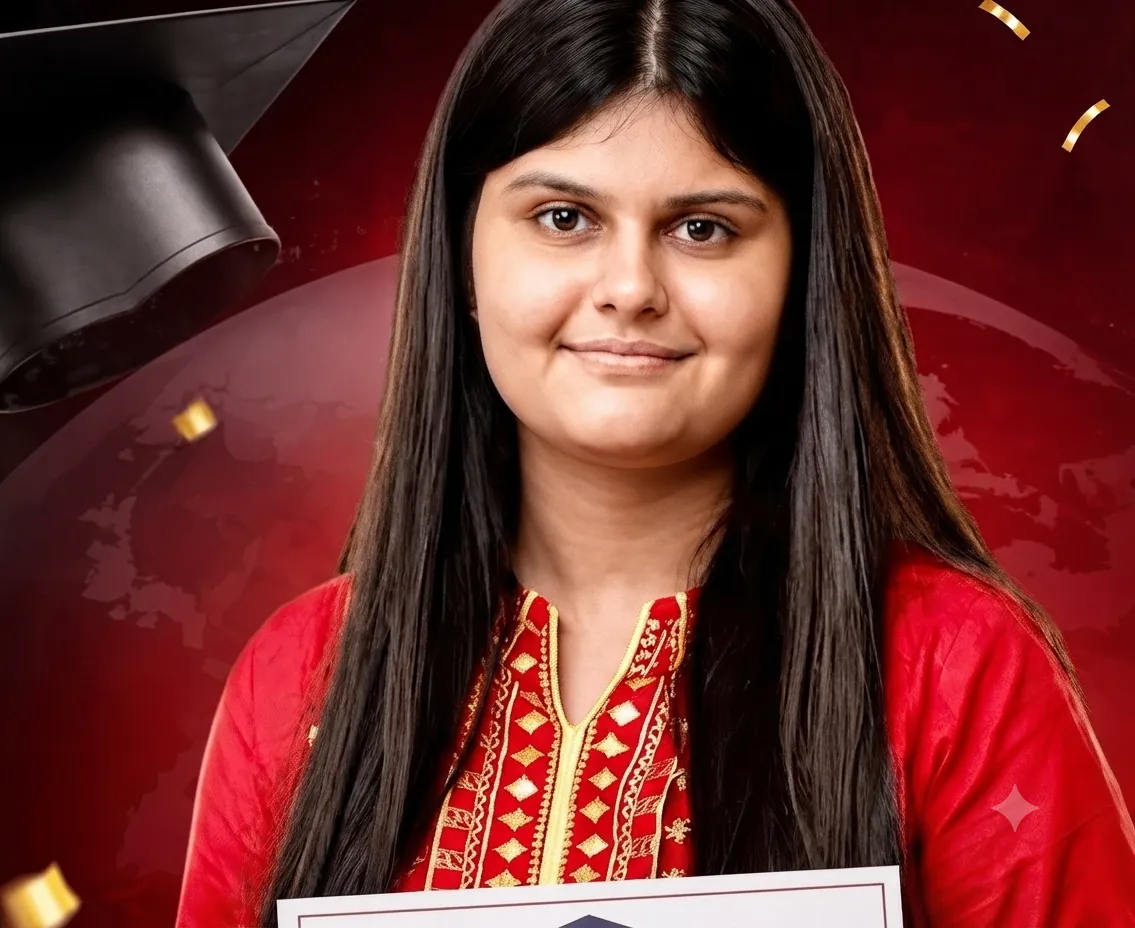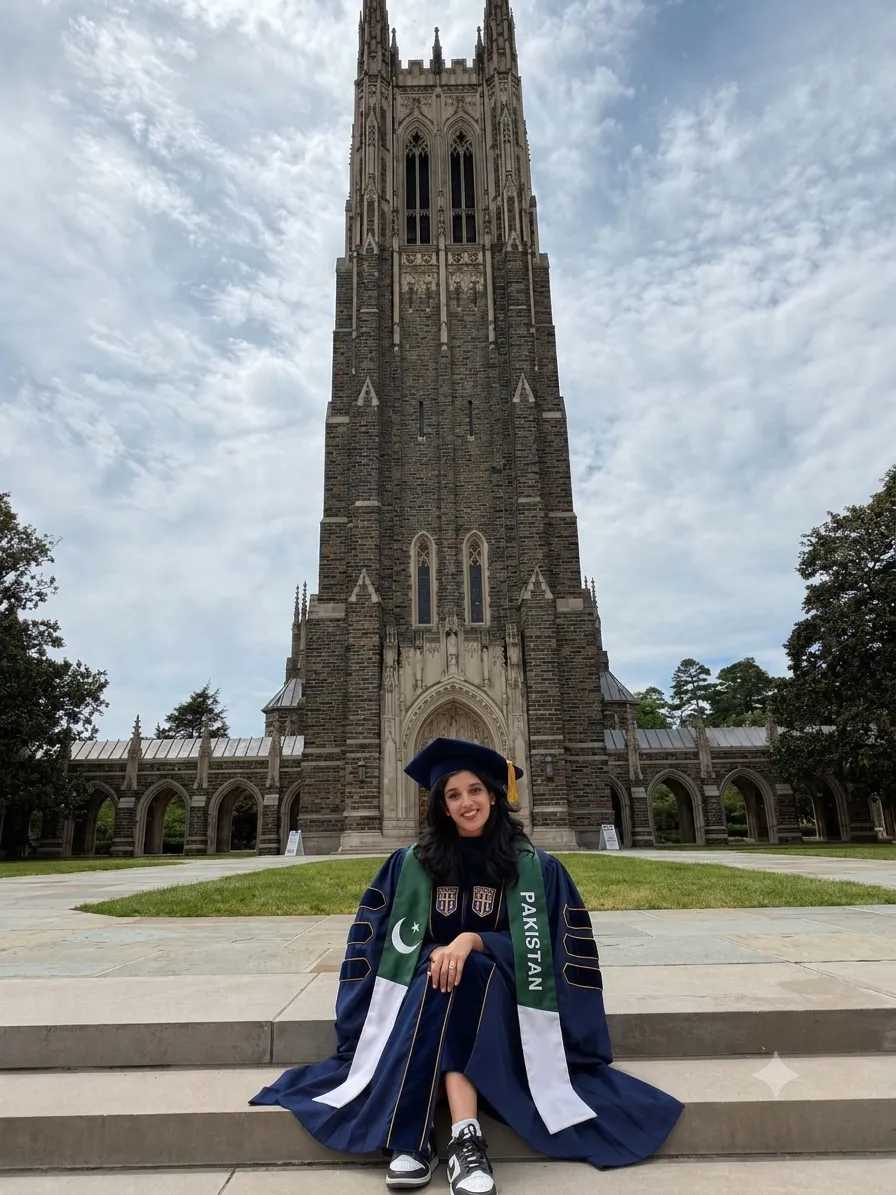
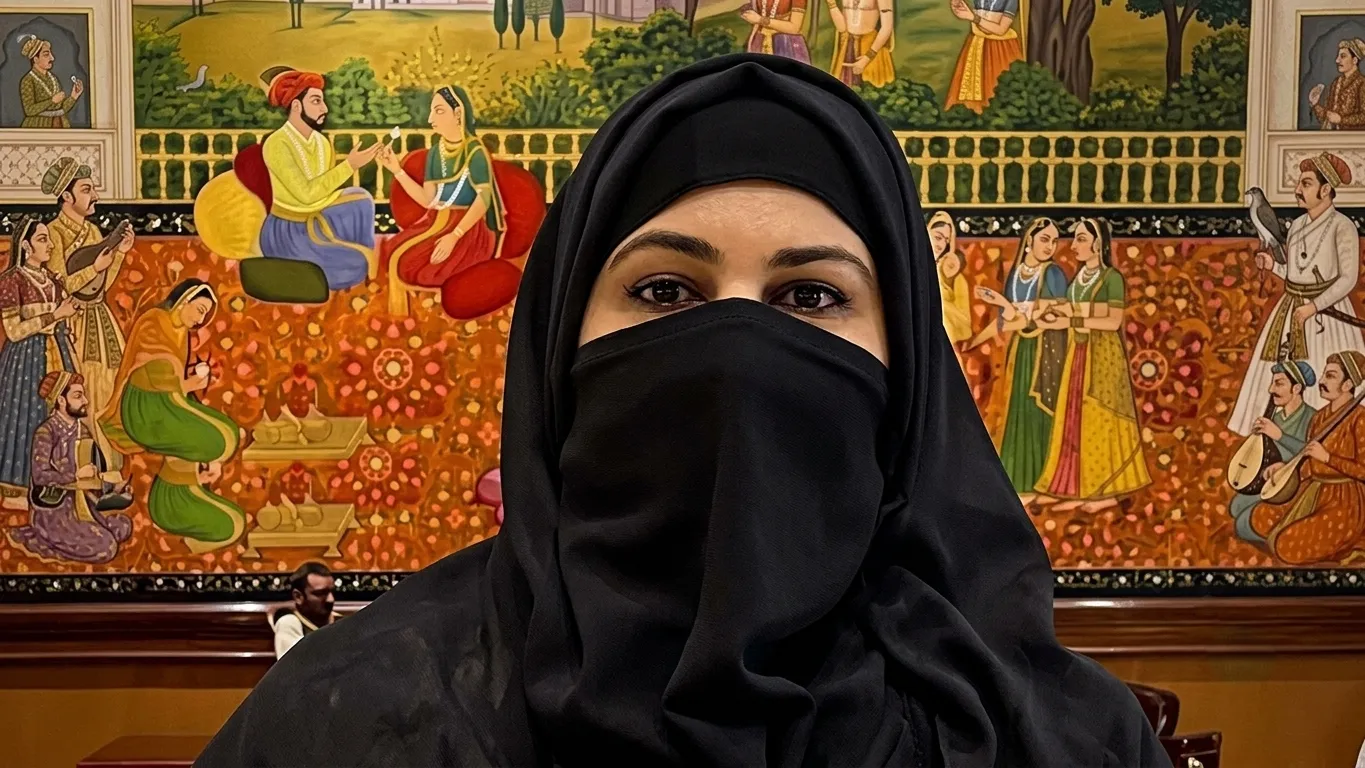
Razia Mehsud has made history by becoming the first woman to join a jirga in Upper South Waziristan, marking an important milestone for women’s participation in traditional community decision-making structures.
Her inclusion is being seen as a significant step toward greater representation, social inclusion, and women’s leadership in the region.
A Historic Milestone
Jirgas have traditionally played an important role in resolving local disputes, discussing community matters, and guiding decisions that affect people’s daily lives.
For many years, these forums have largely been led and attended by men. Razia Mehsud’s participation represents a meaningful change by bringing a woman’s voice into a space that has historically had limited female representation.
Why Women’s Participation Matters
Women are directly affected by many issues discussed at the community level, including education, healthcare, safety, family welfare, local development, and access to public services.
Including women in decision-making processes can help ensure that community discussions reflect a wider range of experiences and priorities.
Razia Mehsud’s role highlights the importance of giving women opportunities to contribute to conversations that shape the future of their communities.
Changing Dynamics in Traditional Systems
Traditional institutions can continue to play a valuable role in local communities while also evolving to include more diverse voices.
The inclusion of women in jirgas may encourage greater dialogue, improve representation, and create pathways for more women to take leadership roles in community affairs.
This development reflects changing social dynamics in Upper South Waziristan, where women are increasingly participating in education, public life, and local development initiatives.
A Step Toward Social Inclusion
Razia Mehsud’s inclusion in the jirga is more than an individual achievement. It represents a broader message about women’s participation, dignity, and leadership.
While there is still progress to be made in ensuring equal representation across all levels of society, such milestones can inspire young women and communities to support more inclusive decision-making.
Final Thoughts
The inclusion of Razia Mehsud in a jirga in Upper South Waziristan is an important moment for women’s leadership in Pakistan.
It shows that meaningful change can happen when communities recognise the value of listening to women’s voices and involving them in decisions that affect everyone.
Her achievement may open the door for more women to participate in traditional forums, contribute to local governance, and help shape stronger, more inclusive communities.
Disclaimer
This article is for informational purposes only and is based on publicly available reports. The accompanying image is AI generated and is for illustrative purposes only. Readers are encouraged to verify details through reliable local, official, and community sources.