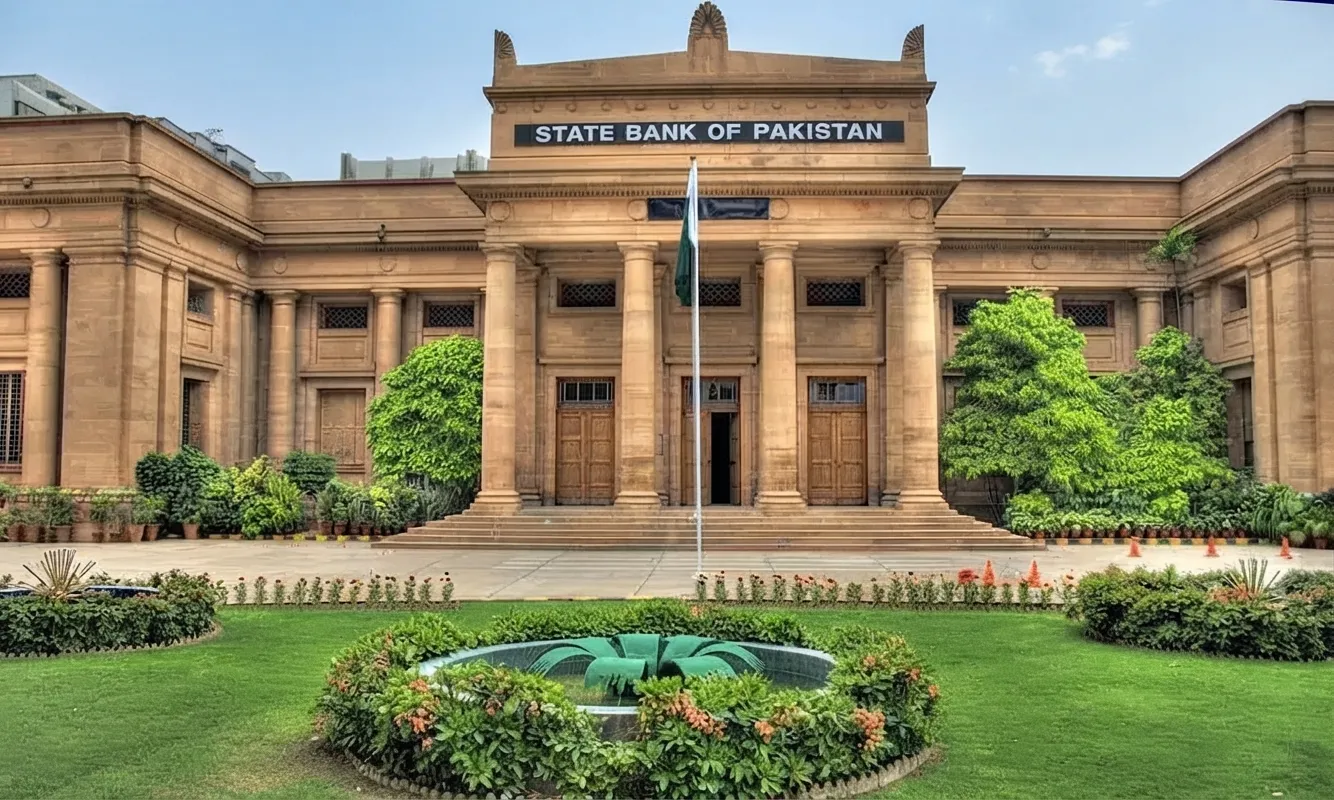
Pakistan’s federal government debt reached Rs. 81.935 trillion in May 2026, according to the latest figures reported by the State Bank of Pakistan (SBP).
The data highlights the continued rise in the country’s overall debt burden and reflects the fiscal and financing pressures facing the national economy.
Debt Records a 7.8% Annual Increase
Pakistan’s federal government debt showed a 7.8% increase compared with the same month last year.
Although the month-on-month rise was relatively limited, the year-on-year increase shows that government borrowing remains elevated.
Government debt is generally divided into domestic debt and external debt. Domestic debt is borrowed within Pakistan, while external debt is borrowed from foreign lenders, international institutions, and other countries.
Domestic Debt Reaches Rs. 58.107 Trillion
Domestic debt reached Rs. 58.107 trillion in May 2026.
The increase was reportedly driven by growth in both long-term borrowing and short-term borrowing.
Long-term borrowing may include instruments such as government bonds and longer-maturity securities. Short-term borrowing may include treasury bills and other instruments used to manage immediate financing needs.
A rise in domestic debt can help the government meet financing requirements, but it can also increase interest payments and place pressure on the national budget.
Why Government Debt Matters
Government debt affects the economy in several ways.
Higher debt levels can increase the amount the government must spend on interest payments. This may reduce the funds available for important areas such as:
- Education
- Healthcare
- Infrastructure
- Social protection
- Development projects
- Public services
Debt management is therefore an important part of fiscal policy and long-term economic planning.
Fiscal and Financing Challenges
Pakistan continues to face several economic challenges, including revenue collection gaps, high financing needs, inflationary pressures, energy-sector liabilities, and the need to support economic growth.
Reducing the debt burden may require a combination of measures, including:
- Expanding the tax base
- Improving tax collection
- Increasing exports
- Reducing unnecessary public expenditure
- Supporting productive investment
- Improving state-owned enterprise performance
- Managing borrowing costs
- Strengthening economic growth
Final Thoughts
The rise in Pakistan’s federal government debt to Rs. 81.935 trillion highlights the importance of sustainable fiscal management.
While borrowing can help governments meet short-term financing needs, long-term economic stability depends on stronger revenues, controlled spending, investment-led growth, and effective debt management.
Official data updates from the State Bank of Pakistan and relevant government institutions will provide further clarity on the country’s fiscal position in the coming months.
Disclaimer
This article is for informational purposes only and is based on publicly available reports and available data. The accompanying image is AI generated and is for illustrative purposes only. Economic figures, classifications, and calculations may be revised or updated by official institutions. Readers are encouraged to consult official State Bank of Pakistan and government sources for the latest information.