Pakistan’s Supreme Court has reaffirmed that the government cannot acquire private land for public projects without providing full, fair, and realistic compensation to affected landowners.
The ruling came in a land-acquisition matter related to a canal project in Swabi. The Court upheld earlier decisions in favour of landowners and stressed that compensation cannot be determined only through official government valuation rates.
What Did the Supreme Court Say?
The Supreme Court held that the state has the authority to acquire land for a genuine public purpose, but that authority comes with a constitutional responsibility to protect the rights of property owners.
According to the judgment, authorities must consider several factors when calculating compensation, including:
- Prevailing market value
- Price escalation during the acquisition process
- Inflation and rising land prices
- Future development potential
- Location and available facilities
- Likely future use of the land
The Court made it clear that an official rate alone may not reflect the actual value of a property.
Why Market Value Matters
Land values can change significantly over time, especially in areas near roads, urban centres, industrial zones, or major development projects.
If compensation is calculated using an outdated rate, a landowner may receive far less than the value the property could reasonably fetch in the market.
The judgment emphasises that fair compensation should reflect the real financial loss suffered by an owner whose property is compulsorily acquired.
Impact on Public Projects and Landowners
The ruling may have implications for future land acquisition connected to roads, canals, housing schemes, industrial projects, public utilities, and other infrastructure initiatives.
Government departments and development authorities may need to ensure that their valuation methods are transparent, evidence-based, and aligned with current market conditions.
For landowners, the decision reinforces the importance of reviewing compensation awards carefully and seeking appropriate legal advice where necessary.
Need for Timely Compensation
The Court also highlighted the unfairness caused by unnecessary delays in acquisition and compensation processes.
When land prices rise while a case or acquisition process remains pending, delayed compensation can reduce the real value received by the owner. The judgment indicates that price escalation during this period may need to be considered when assessing a fair amount.
Final Thoughts
The Supreme Court’s ruling reinforces a central principle of property law: public development cannot come at the expense of unfair financial loss for citizens.
While the government may acquire land for legitimate public purposes, affected owners are entitled to compensation that reflects the property’s actual market value, changing economic conditions, and development potential.
The decision may encourage stronger valuation standards, greater transparency, and more timely compensation in land-acquisition matters across Pakistan.
Disclaimer
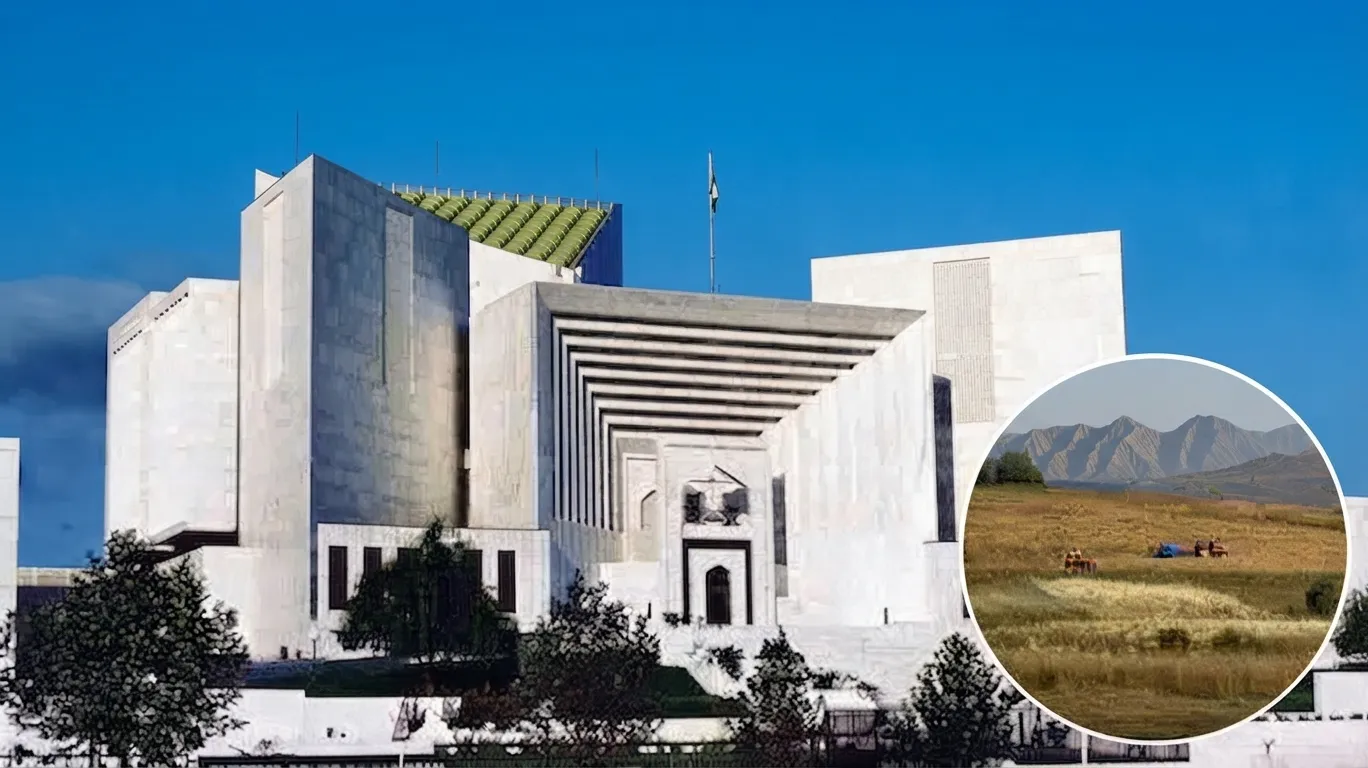
This article is for informational purposes only and is based on publicly available reports and court-related information. The accompanying image is AI generated and is for illustrative purposes only. This article does not constitute legal advice. Court judgments, legal interpretations, and compensation matters can depend on the facts of each case. Readers should consult the official judgment and seek advice from a qualified legal professional where required.