
Pakistan is planning to phase out the manufacture, import, and sale of conventional disposable syringes from January 1, 2027, as part of a wider effort to improve patient safety and reduce the risk of blood-borne infections.
Under the proposed policy, routine healthcare services would transition to safety-engineered auto-disable syringes, also known as auto-lock syringes.
These syringes are designed to prevent reuse after a single injection, helping reduce the risk of unsafe injection practices in hospitals, clinics, laboratories, pharmacies, and other healthcare settings.
What Are Auto-Disable Syringes?
Auto-disable syringes are medical devices designed for one-time use.
After an injection is administered, the syringe automatically locks or becomes unusable. This makes it difficult or impossible to reuse the syringe for another patient.
The technology is intended to improve infection control and reduce the spread of diseases that can be transmitted through contaminated needles and syringes.
Why Is the Shift Important?
Unsafe injection practices can increase the risk of spreading serious blood-borne infections, including:
- HIV
- Hepatitis B
- Hepatitis C
- Other blood-borne diseases
The move toward auto-disable syringes can help protect patients, healthcare workers, and communities by reducing the possibility of syringe reuse.
Healthcare Facilities and Monitoring
The policy framework may allow limited use of conventional syringes for certain specialised medical procedures where auto-disable devices are not suitable.
Hospitals and healthcare facilities using restricted conventional syringes may be subject to additional oversight and digital monitoring.
This monitoring can help ensure that restricted devices are used only where medically necessary and according to approved guidelines.
Implementation Challenges
The success of the policy will depend on effective implementation across Pakistan’s healthcare system.
Important areas include:
- Availability of auto-disable syringes
- Affordable supply for public and private healthcare facilities
- Training for doctors, nurses, and medical staff
- Safe disposal of used syringes
- Public awareness about safe injection practices
- Monitoring and enforcement by relevant authorities
Healthcare providers, manufacturers, importers, and regulators will need to work together to ensure a smooth transition before the planned 2027 deadline.
A Step Toward Better Public Health
The proposed shift reflects a broader focus on improving infection prevention and strengthening healthcare standards in Pakistan.
While safer syringes are an important tool, they must be supported by proper medical training, safe waste-management systems, strong regulation, and reliable access to quality healthcare supplies.
Final Thoughts
Pakistan’s planned transition to auto-disable syringes could become an important step toward reducing preventable infections and improving patient safety.
The impact of the policy will depend on how effectively it is implemented across urban and rural healthcare facilities, including hospitals, clinics, diagnostic centres, and vaccination programmes.
Disclaimer
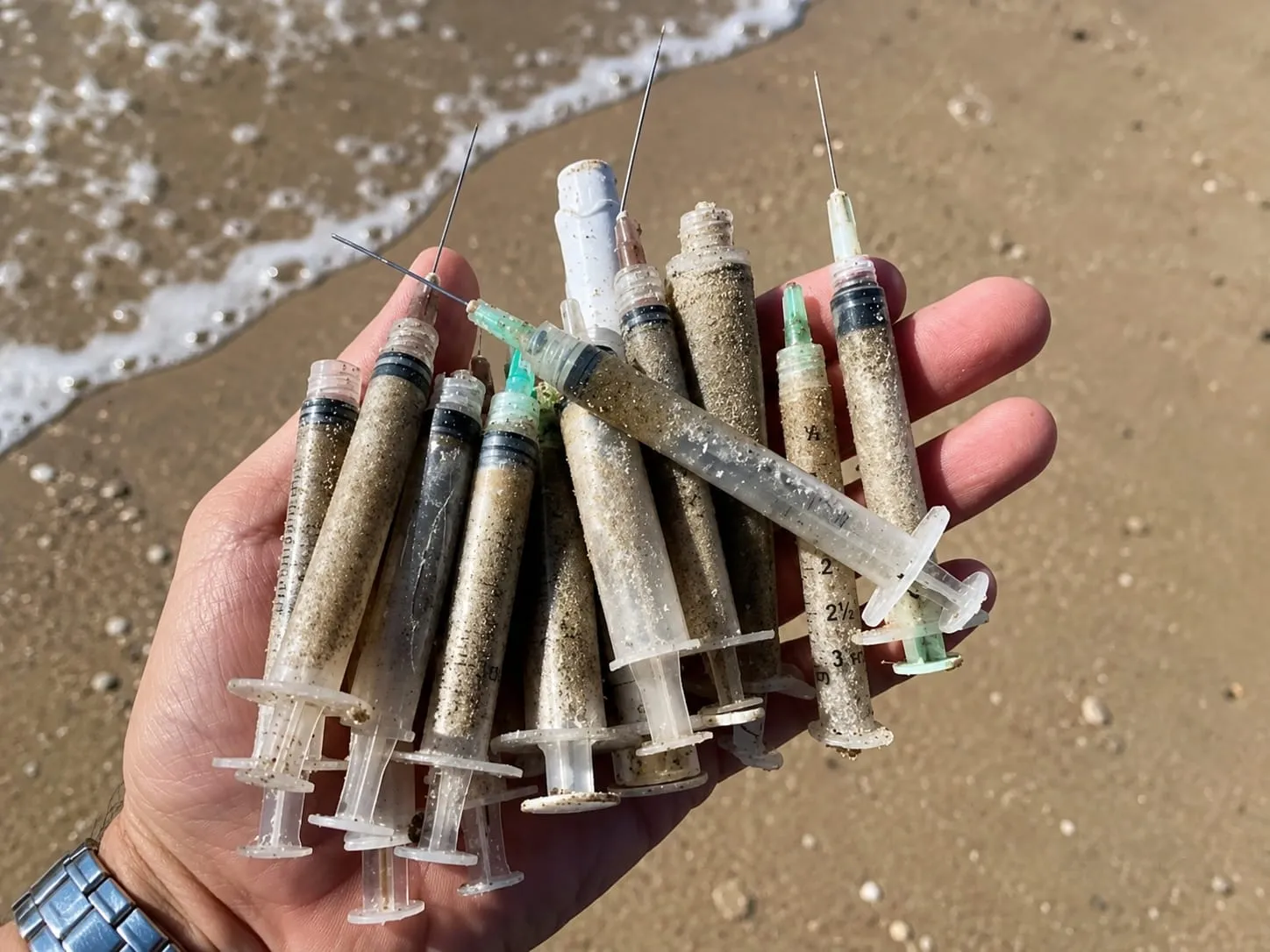
This article is for informational purposes only and is based on publicly available reports. The accompanying image is AI generated and is for illustrative purposes only. Policy details, timelines, exemptions, enforcement procedures, and regulatory requirements may change through official notifications. Readers are encouraged to verify the latest information through official Government of Pakistan and DRAP channels. This article does not provide medical or legal advice.